Red Columbine

Raghu Yadav
| 20-05-2024
 · Plant Team
Presenting the World's Beauty Before Your Eyes.
Advertisement
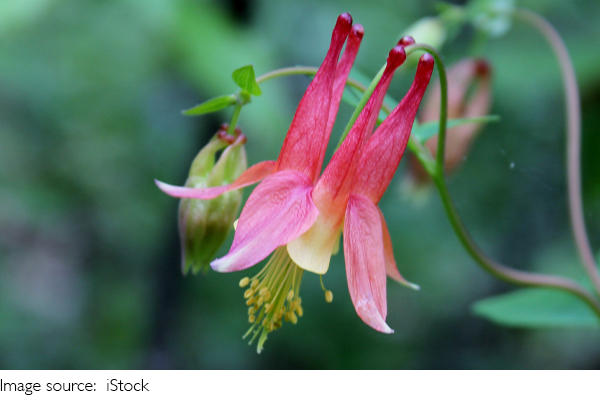
The Red Columbine, scientifically known as Aquilegia canadensis, is a captivating perennial plant native to North America.
Admired for its striking red and yellow flowers, delicate foliage, and ability to thrive in various environments, the Red Columbine is special in gardens, landscapes, and even natural habitats.
Understanding its propagation and breeding is crucial for both horticulturalists and enthusiasts alike, as it allows for the conservation and enhancement of this beautiful species.
Propagation of Red Columbine can be achieved through several methods, each with its own merits and challenges. One of the most common methods is seed propagation. Red Columbine produces numerous seeds within its distinctive spurred flowers.
Presenting the World's Beauty Before Your Eyes.
Advertisement
Embark on a gourmet journey with diverse mushrooms; taste, nutrition, and culinary versatility await!
Pinecones are vital to forests, embodying nature's resilience, life cycle, and environmental significance.
Thriving bitter melon: optimal conditions for success.
Plant leaves are due to genetic regulation, transferring nitrogen for growth.
How do dandelions' drifting flights symbolize hope and freedom in the tapestry of nature's beauty?
Understanding mushroom growth conditions crucial for cultivation and conservation efforts.
Collecting mature seeds in late summer or early autumn and sowing them in well-draining soil provides a straightforward way to propagate this species. However, patience is required as it may take several weeks or months for the seeds to germinate.
Maintaining consistent moisture levels and providing adequate light are essential for successful germination.
Another method of propagation is through division. As Red Columbine matures, it develops clumps of rhizomes, which can be carefully divided and replanted to create new plants. The division is beneficial for rejuvenating older plants or expanding existing colonies.
Presenting the World's Beauty Before Your Eyes.
Advertisement
Care should ensure each division has sufficient roots and foliage to support its growth.
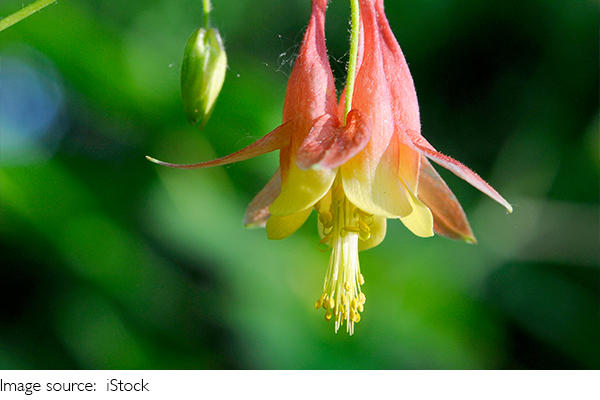
Root cuttings offer another avenue for propagation. New plants can be generated by taking cuttings from healthy roots and planting them on a suitable substrate. This method is beneficial for propagating Red Columbine cultivars with desirable traits, as it preserves the genetic characteristics of the parent plant.
While propagation increases the population of Red Columbine, breeding endeavors aim to enhance its ornamental qualities and resilience.
Traditional breeding techniques, such as controlled pollination, enable horticulturists to cross-pollinate different varieties of Red Columbine to produce offspring with desired traits.
Presenting the World's Beauty Before Your Eyes.
Advertisement
By selecting parent plants based on flower color, size, shape, and other characteristics, breeders can introduce novel variations into the species.
Modern breeding techniques, including tissue culture and genetic engineering, offer innovative approaches to enhancing Red Columbine.
Tissue culture allows for the rapid propagation of plants from small amounts of tissue, bypassing the need for seeds or divisions. This method accelerates the breeding process and enables the propagation of rare or endangered varieties.
Genetic engineering, on the other hand, holds the potential to introduce specific genes into Red Columbine, conferring traits such as disease resistance or extended flowering periods.
Presenting the World's Beauty Before Your Eyes.
Advertisement
However, while advancements in breeding techniques offer exciting possibilities, they also raise ethical and environmental concerns. Maintaining genetic diversity and preserving the integrity of native species are paramount considerations in breeding efforts.
Careful monitoring and regulation are essential to ensure that breeding programs contribute positively to the conservation of Red Columbine and its natural habitats.
Propagation and breeding play integral roles in the conservation and enhancement of Red Columbine.
By combining traditional and modern techniques, horticulturists can propagate this beloved species and introduce new varieties with enhanced ornamental qualities and resilience.
Presenting the World's Beauty Before Your Eyes.
Advertisement
However, these efforts must be conducted responsibly, carefully considering genetic diversity and ecological impacts. Through thoughtful stewardship, we can ensure that Red Columbine continues to enchant and inspire for generations to come.